

frosted double glazing
The Importance and Functionality of Large Globe Valves Large globe valves are critical components in various industrial applications, known for their ability to regulate and control the flow of fluids. These valves are characterized by their spherical body shape, which plays a significant role in their functioning. Unlike other types of valves, globe valves provide a more streamlined and effective control of flow, making them a preferred choice in many systems. Understanding Globe Valves A globe valve operates by using a movable disk – known as the plug – that is positioned in line with the flow of the fluid. When the valve is closed, the plug sits against a seat, blocking the flow and ensuring that the system is pressurized. Conversely, when the valve is opened, the plug lifts away from the seat, allowing for fluid to pass through. This mechanism allows for precise control over the flow rate, which can be crucial in processes where the concentration or speed of a fluid is important. Applications of Large Globe Valves Large globe valves are predominantly used in applications that deal with substantial flow rates and pressures. Industries such as oil and gas, water treatment, power generation, and chemical manufacturing extensively employ these valves. For example, in oil and gas pipelines, large globe valves are essential in controlling the flow of crude oil and natural gas under high-pressure conditions. Their ability to withstand harsh environments while providing reliable operation makes them an indispensable part of these systems. In power plants, large globe valves are used to regulate steam flow in turbines and other critical components. Proper management of steam flow is vital for efficiency and safety, and large globe valves help ensure that these systems operate optimally. In water treatment facilities, these valves aid in controlling the flow of water during various stages of purification, thus contributing to the delivery of safe drinking water. Design Features large globe valve The design of large globe valves varies depending on the specific needs of the application. Typically, they are made from robust materials such as stainless steel, bronze, or carbon steel, commensurate with the fluids they handle. The size and construction are essential, as larger valves may need to accommodate higher pressure and temperature requirements. These valves can be designed in various styles, including bolted bonnet and welded body configurations, allowing for different installation needs and maintenance preferences. The end connections also vary, with options for flanged connections or threaded ends, further enhancing versatility. Another critical design aspect is the valve’s actuator. Large globe valves can be operated manually or automatically via electric, pneumatic, or hydraulic actuators. The choice of actuator affects the speed of operation and the level of control available, making it essential for engineers to select the right type according to the system requirements. Maintenance and Lifespan While large globe valves are built for durability, regular maintenance is essential for ensuring their longevity and reliable performance. Routine inspections can identify issues such as wear and tear on seals and seats, which, if left unaddressed, can lead to leaks and inefficiencies. Lubrication of moving parts is vital to prevent corrosion and guarantee smooth operation. Additionally, in applications where the valve may remain in a closed or partially closed position for extended periods, it is crucial to cycle the valve regularly to prevent the seating surface from bonding with the seat material. Conclusion In conclusion, large globe valves serve a fundamental role in managing fluid flow across various industrial sectors. Their unique design allows for precise control over flow rates, making them particularly valuable in high-pressure and high-flow applications. With proper maintenance and care, these valves can provide reliable service and safety, thereby ensuring the efficiency and sustainability of critical systems. As industries evolve, the continual enhancement of globe valve technology will further bolster their importance in modern engineering solutions.
about
frosted double glazing
Understanding Dial Bore Gauges A Focus on 18mm to 35mm Applications In precision engineering, the significance of accurate measurements cannot be overstated. One of the essential instruments utilized for measuring the internal diameter of holes is the dial bore gauge. This tool, particularly effective for bore sizes ranging from 18mm to 35mm, plays a crucial role in various manufacturing processes, ensuring that components meet stringent quality standards. What is a Dial Bore Gauge? A dial bore gauge is a measuring instrument designed specifically for measuring internal diameters. It comprises a dial indicator, which reads measurements, a probe that fits inside the bore, and a calibration mechanism to ensure accuracy. The tool works on the principle of displacement; as the gauge slides into the bore, any changes in diameter result in the dial indicator registering a corresponding change. This allows the operator to determine if the bore meets specified tolerances. Design and Features Dial bore gauges come in various designs, but most share common features. For measurements within the range of 18mm to 35mm, the gauge typically has adjustable arms or pins that can be set to the required diameter. The dial indicator is usually mounted perpendicular to the probe, making it easy to read measurements at a glance. Many models come equipped with a locking mechanism that holds the gauge in place once the measurement is taken, preventing any accidental re-adjustments. The precision of a dial bore gauge can be influenced by its construction quality and the range of its measuring capabilities. Models designed for 18mm to 35mm applications typically feature high-quality stainless steel components that resist wear and corrosion, ensuring longevity and accuracy over time. Applications of Dial Bore Gauges The versatility of dial bore gauges makes them invaluable across various industries. Here are a few notable applications 1. Automotive Engineering In automotive manufacturing, ensuring the correct diameter of engine cylinders is critical for optimal performance. Dial bore gauges facilitate precise measurements during the production and quality control phases. 2. Aerospace The aerospace industry demands exceptionally tight tolerances and high-quality standards. Dial bore gauges help inspect components like fuel injectors and turbine housings, ensuring they conform to specifications. dial bore gauge 18 35mm 3. Manufacturing & Machining In the world of machining, particularly in CNC operations, engineers frequently utilize dial bore gauges to check hole sizes and depths in fabricated parts, ensuring that they fit together correctly during assembly. 4. Quality Assurance Quality control inspectors employ dial bore gauges to verify that manufactured products meet the required specifications. Measuring the internal diameters of components regularly helps identify potential defects before they escalate into larger issues. How to Use a Dial Bore Gauge Using a dial bore gauge requires a systematic approach 1. Preparation Ensure that the gauge is clean and calibrated before use. Any dirt or debris can lead to inaccurate readings. 2. Insertion Carefully insert the gauge into the bore, ensuring that it is aligned correctly. 3. Adjustment Adjust the measuring arms or pins until you get a snug fit within the bore. 4. Measurement Read the measurement from the dial indicator. Rotate the gauge to take measurements at various points to identify any variations in diameter. 5. Documentation Record the measurements for future reference and quality control purposes. Conclusion Dial bore gauges are essential tools in precision measurement, particularly for bore sizes ranging from 18mm to 35mm. Their ability to provide accurate and reliable measurements makes them indispensable in industries where precision is paramount. Understanding how to properly utilize and maintain this crucial instrument can greatly enhance quality assurance processes in any manufacturing setting. As technology continues to advance, incorporating sophisticated gauges into production lines is likely to streamline operations even further, reducing human error and improving overall efficiency. Thus, the dial bore gauge remains a trusted companion for engineers and quality inspectors alike, ensuring that every component meets the exacting standards of modern manufacturing.
-

High quality industrial productsagement

High quality industrial products
View Details -

Meet the diverse needs of customers

Meet the diverse needs of customers
View Details -

Strict quality control

Strict quality control
View Details -

Top raw materials

Top raw materials
View Details -

Trusted supplier

Trusted supplier
View Details
Our application

news and information
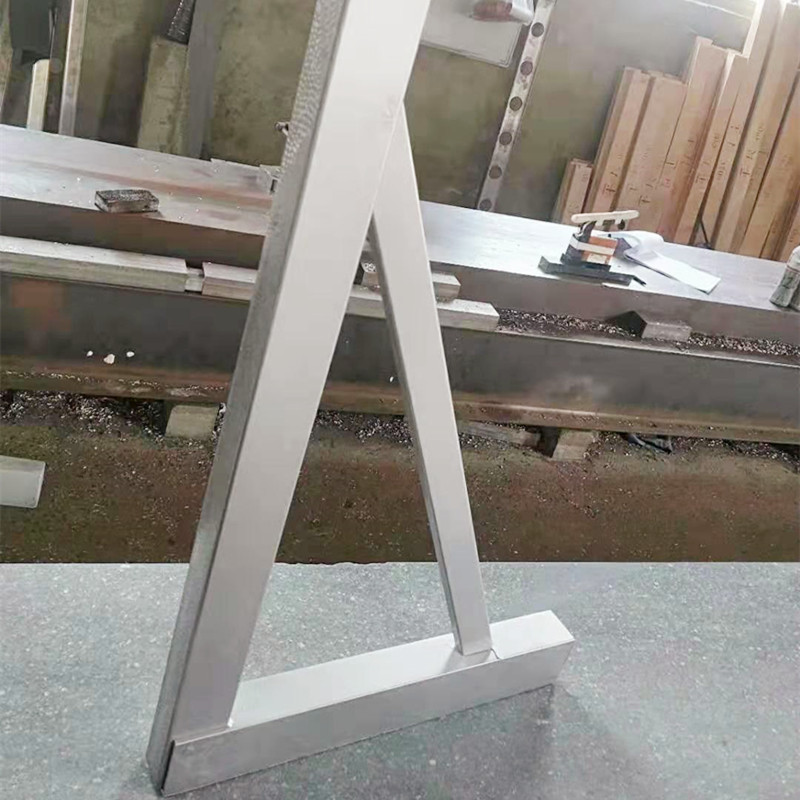
Using a Level to Align a Marking Ruler for Precision Measurements
marking ruler with spirit level .

Valvola a farfalla da 50 mm per applicazioni industriali e sistemi di tubazioni
Valvola a Farfalla da 50 mm Un Elemento Chiave per il Controllo dei Fluidi La valvola a farfalla rap
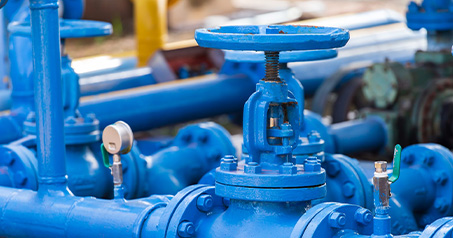
Water Line Valve - Essential Solutions for Efficient Water Management
Understanding Water Line Valves Key Components in Plumbing Systems Water line valves play a crucial
 English